The 5 Best Ingredients to Fight Acne

A guide to understanding the best ingredients to fight acne, for all skin types.
The 5 Best Ingredients to Fight Acne

Acne is a common skin condition that affects many and can be a source of frustration and self-consciousness. Dealing with pesky breakouts, stubborn scars, and the constant battle for clear skin can be a challenge. But fear not! By incorporating the right ingredients into your skincare routine, you can fight back against acne and achieve a clearer, healthier complexion.

Before we dive in, it's important to understand the underlying causes of acne. Hormonal changes, such as those during puberty or menstrual cycles, can increase sebum production and clog pores. Imbalances in the skin's pH levels can also disrupt the skin's protective barrier, leading to breakouts and inflammation. Different skin types, including oily, dry and sensitive require customised approaches to effectively treat acne and maintain skin health. If you're unsure about your skin type, refer to our previous blog article on knowing your skin type and how to care for it. 

These 5 powerhouse ingredients have been proven effective in fighting acne and addressing the underlying issues that contribute to its formation:

Salicylic Acid

One of the most effective ingredients for fighting acne is salicylic acid. This beta-hydroxy acid (BHA) works by killing dead skin cells from the surface of the skin. Salicylic acid is a major component of many anti-acne treatments due to its antibacterial properties, which help prevent and reduce skin congestion.

Niacinamide

Niacinamide, also known as vitamin B3, is another powerful ingredient that can help combat acne. It works to calm and balance the skin, making it an excellent addition to your skincare routine. Niacinamide is particularly beneficial for long-time sufferers of acne as it can help fade the appearance of scars. Additionally, it helps retain moisture and balance oil production, which can reduce hyperpigmentation.

Our Vitamin D Serum contains Niacinamide and can be applied daily for clearer, brighter skin.

 Sulphur

Sulphur is a natural mineral that has been used for centuries to treat various skin conditions, including acne. It acts as an exfoliator, antibacterial agent and anti-inflammatory ingredient. Sulphur works by inhibiting the activity of oil glands and acne-causing bacteria to improve skin congestion. To avoid skin irritation, it's best to use sulphur as a cleanser or spot treatment.

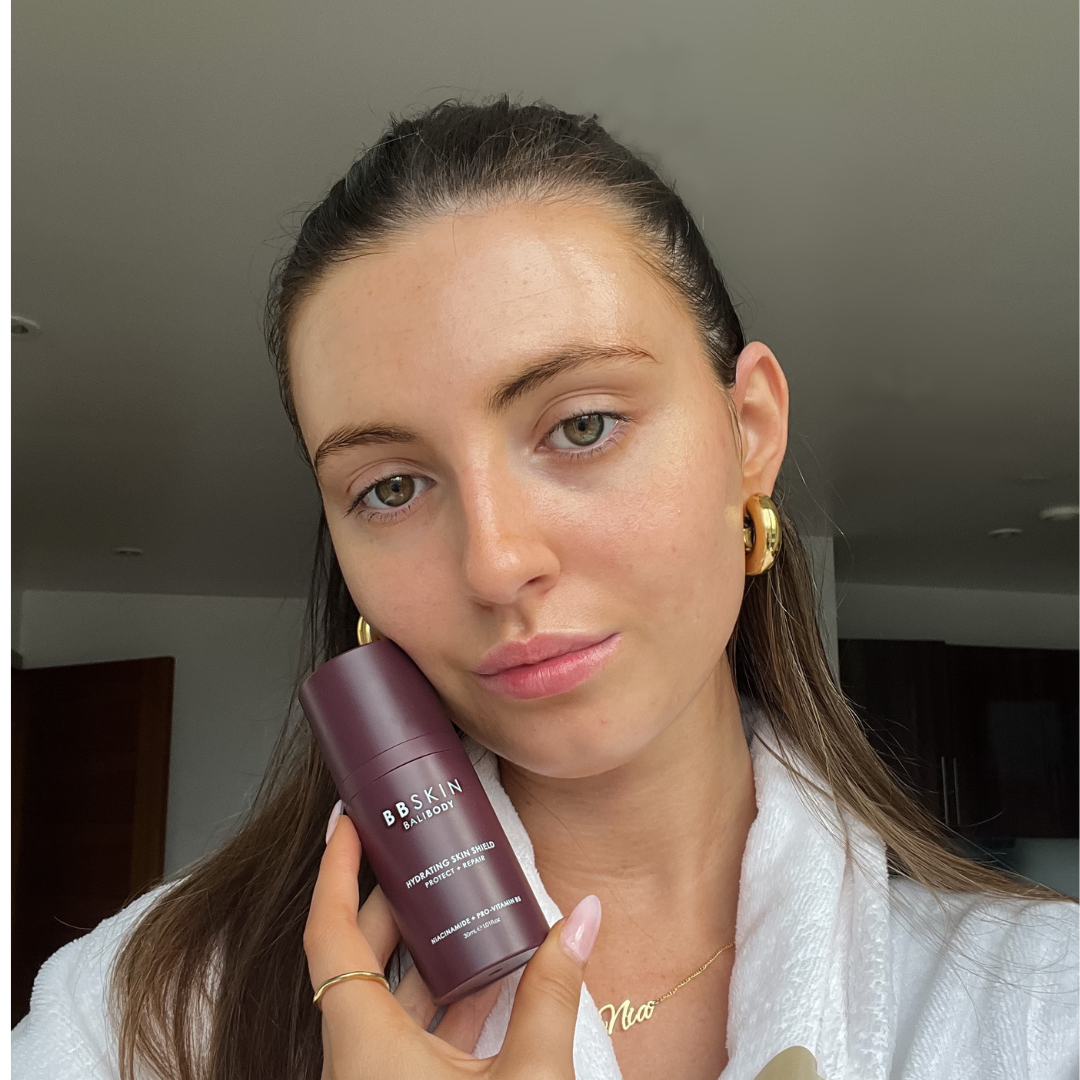
It's also recommended to pair it with hydrating serums, such as our Hydrating Skin Shield, to prevent the sulfur from drying out your skin.

Retinol

Retinol has become one of the most popular ingredients to treat acne. It works by increasing the skin's cell turnover, promoting the growth of new skin cells and getting rid of dead cells. This process helps unclog pores and reduce the appearance of acne. When using retinol, it's important to start with a low percentage formula to allow your skin to build up its tolerance. Some retinoids can cause dryness, so it's crucial to moisturise and hydrate your skin properly. Retinol also increases your skin's sensitivity to the sun, so it's essential to always wear high protection sunscreen after applying, such as our SPF50+ Hydrating Face Sunscreen. 

Unfortunately if you are pregnant you will need to steer clear of using retinol. However our Pro-Collagen Cream contains a plant-based ingredient Bakuchiol,  which is a natural alternative to retinol and safe to use during pregnancy and breastfeeding!

AHAs

Alpha-hydroxy acids (AHAs) are a group of chemical exfoliants that include lactic acid, mandelic acid, and glycolic acid. AHAs are known for their ability to gently exfoliate the skin, removing dead cells and unclogging pores. Incorporating AHAs into your skincare routine can help improve skin texture and reduce the appearance of acne scars. It's recommended to use AHAs in daily cleansers, both in the morning and evening. If applied in the morning, always remember to follow up with sunscreen, as AHAs can increase your skin's sensitivity to the sun. 

Our Enzyme Exfoliant is a gentle, granule-free exfoliant that contains lactic acid to brighten and resurface your skin, and is suitable for everyday use. 

Try incorporating these active ingredients into your skincare routine for clearer, brighter and healthier skin. Remember, that consistency and patience are key in treating acne, allow up to 30 days for noticeable results.

How to Maintain a Tan in Winter

How to Maintain a Tan in Winter

Winter doesn’t mean you can’t have a gorgeous glow, but it does require a particular focus on looking after the skin. Cold air, central heating, and lower humidity all work against hydration, leaving skin feeling dry, dull, and lacklustre. The good news is that maintaining a healthy, natural-looking glow through the colder months is entirely achievable with the right formulas in your routine. Here's how to keep your skin glowing all winter long, and the three Bali Body products that make it easy. How Do You Keep a Self Tan in Winter? Winter skin tends to be drier, which means self tan can fade faster and develop more unevenly without proper hydration. The key is choosing formulas with skin-loving ingredients that hydrate as they tan, keeping the skin barrier strong and your glow lasting longer. Why Winter Is Harder on Self Tan Dry skin absorbs self tan unevenly and causes it to fade faster, particularly in areas prone to dryness like the knees, elbows, and ankles. When the skin barrier is compromised by cold weather, products don't absorb as evenly, and colour can develop patchily or disappear within a few days. The solution is to switch to formulas that prioritise hydration alongside colour, treating the skin while building your tan rather than working against its winter condition. Self Tan Body Milk For a winter self tan that genuinely improves your skin over time, Self Tan Body Milk is the standout product. Formulated with 93% skincare ingredients, it functions as much as a treatment as it does a self tan, making it one of the most skin-loving options in the range. Key ingredients include a 4x Hyaluronic Acid complex for deep, lasting hydration, ceramides to support and strengthen the skin barrier, and Vitamin C to brighten and even skin tone. All three are particularly valuable in winter, when the skin barrier needs extra support and dullness is more likely to set in. The rinse-free formula absorbs quickly and fits seamlessly into an existing bodycare routine, replacing your regular winter moisturiser while building a natural-looking, hydrated self tan at the same time. With consistent use, skin feels noticeably softer and looks healthier, even in the depths of winter. Best for: dry or dehydrated winter skin that needs serious hydration alongside a buildable, natural-looking tan. Clear Self Tanning Gel For a lightweight winter tanning option that delivers a streak-free glow without any of the heaviness, the Clear Self Tanning Gel is a brilliant choice. The completely clear, zero-transfer formula goes on weightlessly and develops a smooth, natural-looking tan over 4 to 6 hours. Enriched with hyaluronic acid, vitamin E, and aloe vera, it hydrates and soothes the skin while colour develops, making it a solid option for winter skin that needs hydration without a rich or heavy texture. The rinse-free, zero-transfer formula means no mess on clothing or sheets, and at 400ml it's a generous size that lasts through the season. The buildable formula means you can adjust the depth of your glow as needed throughout winter, whether you want a barely-there base or a deeper colour to carry through into spring. Best for: those who want a lightweight, fuss-free winter self tan with hydrating ingredients and zero transfer. Gradual Tanning Butter For dry winter skin that needs the most intensive nourishment, the Gradual Tanning Butter is the richest and most restorative option in the range. This 4-in-1 formula hydrates, tans, illuminates, and repairs the skin in a single step, making it a genuinely skin-loving addition to any winter bodycare routine. Packed with niacinamide to strengthen the skin barrier and reduce redness, and shea butter for deep, lasting moisture, it addresses the most common winter skin complaints while building a subtle, buildable glow with every application. The colour develops gradually, so it's easy to maintain a natural-looking tan throughout the season without the need for frequent full applications. The rich, creamy texture is particularly well suited to winter, sitting comfortably on dry skin and delivering sustained hydration throughout the day. Apply daily as a body moisturiser and let the colour build over time. Best for: very dry or dull winter skin that needs rich nourishment and a gentle, gradual tan. How to Keep Your Winter Glow Looking Its Best A few simple habits make a real difference to how your self tan performs in winter. Exfoliate gently every one to two weeks using the Exfoliating Mitt to remove dry skin build-up before reapplying Moisturise daily to keep the skin hydrated between tan applications and help colour fade evenly Pay extra attention to dry areas like elbows, knees, and ankles, applying a light moisturiser before tanning to slow absorption in these spots Apply self tan more frequently in winter if skin is particularly dry, as colour tends to fade faster when the skin barrier is compromised Layer the Gradual Tanning Butter over a mousse base to maintain and extend colour between full applications Which Winter Glow Product Is Right for You? For intensive skincare and tan in one step: Self Tan Body Milk For a lightweight, zero-transfer everyday glow: Clear Self Tanning Gel For rich nourishment and a gradual, buildable colour: Gradual Tanning Butter All three are formulated with skin-loving ingredients that make them particularly well suited to winter skin, and all are dermatologically and clinically tested safe for sensitive skin.  

How to Maintain a Tan in Winter

Winter doesn’t mean you can’t have a gorgeous glow, but it does require a particular focus on looking after the skin. Cold air, central heating, and lower humidity all work against hydration, leaving skin feeling dry, dull, and lacklustre. The good news is that maintaining a healthy, natural-looking glow through the colder months is entirely achievable with the right formulas in your routine. Here's how to keep your skin glowing all winter long, and the three Bali Body products that make it easy. How Do You Keep a Self Tan in Winter? Winter skin tends to be drier, which means self tan can fade faster and develop more unevenly without proper hydration. The key is choosing formulas with skin-loving ingredients that hydrate as they tan, keeping the skin barrier strong and your glow lasting longer. Why Winter Is Harder on Self Tan Dry skin absorbs self tan unevenly and causes it to fade faster, particularly in areas prone to dryness like the knees, elbows, and ankles. When the skin barrier is compromised by cold weather, products don't absorb as evenly, and colour can develop patchily or disappear within a few days. The solution is to switch to formulas that prioritise hydration alongside colour, treating the skin while building your tan rather than working against its winter condition. Self Tan Body Milk For a winter self tan that genuinely improves your skin over time, Self Tan Body Milk is the standout product. Formulated with 93% skincare ingredients, it functions as much as a treatment as it does a self tan, making it one of the most skin-loving options in the range. Key ingredients include a 4x Hyaluronic Acid complex for deep, lasting hydration, ceramides to support and strengthen the skin barrier, and Vitamin C to brighten and even skin tone. All three are particularly valuable in winter, when the skin barrier needs extra support and dullness is more likely to set in. The rinse-free formula absorbs quickly and fits seamlessly into an existing bodycare routine, replacing your regular winter moisturiser while building a natural-looking, hydrated self tan at the same time. With consistent use, skin feels noticeably softer and looks healthier, even in the depths of winter. Best for: dry or dehydrated winter skin that needs serious hydration alongside a buildable, natural-looking tan. Clear Self Tanning Gel For a lightweight winter tanning option that delivers a streak-free glow without any of the heaviness, the Clear Self Tanning Gel is a brilliant choice. The completely clear, zero-transfer formula goes on weightlessly and develops a smooth, natural-looking tan over 4 to 6 hours. Enriched with hyaluronic acid, vitamin E, and aloe vera, it hydrates and soothes the skin while colour develops, making it a solid option for winter skin that needs hydration without a rich or heavy texture. The rinse-free, zero-transfer formula means no mess on clothing or sheets, and at 400ml it's a generous size that lasts through the season. The buildable formula means you can adjust the depth of your glow as needed throughout winter, whether you want a barely-there base or a deeper colour to carry through into spring. Best for: those who want a lightweight, fuss-free winter self tan with hydrating ingredients and zero transfer. Gradual Tanning Butter For dry winter skin that needs the most intensive nourishment, the Gradual Tanning Butter is the richest and most restorative option in the range. This 4-in-1 formula hydrates, tans, illuminates, and repairs the skin in a single step, making it a genuinely skin-loving addition to any winter bodycare routine. Packed with niacinamide to strengthen the skin barrier and reduce redness, and shea butter for deep, lasting moisture, it addresses the most common winter skin complaints while building a subtle, buildable glow with every application. The colour develops gradually, so it's easy to maintain a natural-looking tan throughout the season without the need for frequent full applications. The rich, creamy texture is particularly well suited to winter, sitting comfortably on dry skin and delivering sustained hydration throughout the day. Apply daily as a body moisturiser and let the colour build over time. Best for: very dry or dull winter skin that needs rich nourishment and a gentle, gradual tan. How to Keep Your Winter Glow Looking Its Best A few simple habits make a real difference to how your self tan performs in winter. Exfoliate gently every one to two weeks using the Exfoliating Mitt to remove dry skin build-up before reapplying Moisturise daily to keep the skin hydrated between tan applications and help colour fade evenly Pay extra attention to dry areas like elbows, knees, and ankles, applying a light moisturiser before tanning to slow absorption in these spots Apply self tan more frequently in winter if skin is particularly dry, as colour tends to fade faster when the skin barrier is compromised Layer the Gradual Tanning Butter over a mousse base to maintain and extend colour between full applications Which Winter Glow Product Is Right for You? For intensive skincare and tan in one step: Self Tan Body Milk For a lightweight, zero-transfer everyday glow: Clear Self Tanning Gel For rich nourishment and a gradual, buildable colour: Gradual Tanning Butter All three are formulated with skin-loving ingredients that make them particularly well suited to winter skin, and all are dermatologically and clinically tested safe for sensitive skin.  

Best Tanning Oils For Dry Skin

Best Tanning Oils For Dry Skin

Dry skin and tanning oils are a natural pairing. Unlike traditional sunscreens or lotions, tanning oils are formulated with rich, plant-based oils that deeply nourish and hydrate while helping you develop a natural, golden tan in the sun. For dry skin types in particular, a good tanning oil does double duty - protecting and bronzing while actively improving the skin's condition throughout the day. Here's a look at the best tanning oils for dry skin from Bali Body, and what makes each one worth knowing about. Are Tanning Oils Good for Dry Skin? Yes. Tanning oils are typically rich in nourishing plant-based oils like coconut oil, sweet almond oil, and grapeseed oil, making them one of the most hydrating options for outdoor tanning. They lock in moisture while helping the skin develop a deeper, more even natural tan. What to Look for in a Tanning Oil for Dry Skin The best tanning body oils for dry skin combine SPF protection with deeply hydrating ingredients. Key things to look for: Plant-based carrier oils like coconut oil, sweet almond oil, or grapeseed oil Skin-nourishing extracts that support hydration and repair SPF protection to prevent sun damage, which worsens dryness over time Lightweight texture that absorbs easily without feeling heavy or sticky All Bali Body tanning oils are formulated with a blend of coconut oil, sweet almond oil, and grapeseed oil as their base, making them naturally hydrating and suitable for dry skin types. Watermelon Tanning Oil SPF15 The Watermelon Tanning Oil SPF15 is one of Bali Body's most iconic products and a standout tanning oil for dry skin. Its base of grapeseed oil, coconut oil, and sweet almond oil delivers deep hydration from the moment you apply it, while the watermelon seed extract works to lock in moisture and boost the skin's natural melanin production for a deeper, more even sun tan. With SPF15 UVA and UVB protection, it keeps the skin shielded while you tan. Lightweight and fast-absorbing, it leaves the skin feeling nourished and glowing rather than greasy. Apply generously over your SPF for the best result. Best for: dry skin looking for deep hydration and a naturally enhanced sun tan. Cacao Tanning Oil SPF15 The Cacao Tanning Oil SPF15 is the best tanning oil for dry skin that wants an instant colour boost alongside long-term nourishment. Formulated with organic cacao extract, it delivers an instant bronzed tint on application while the base of skin-loving oils deeply hydrates throughout the day. The rich, chocolatey scent is a bonus, and the formula's nourishing profile makes it particularly well suited to dry skin that needs extra moisture during sun exposure. SPF15 UVA and UVB protection keeps the skin protected as your natural tan develops. Best for: dry skin wanting an instant bronzed tint with added hydration and protection. Pineapple Tanning Oil SPF15 For dry skin with additional concerns like uneven skin tone, fine lines, or irritation, the Pineapple Tanning Oil SPF15 is worth a closer look. Enriched with pineapple fruit extract, it brings anti-ageing properties and helps to firm the skin and reduce the appearance of uneven tone over time. Vitamin E adds another layer of skin-soothing benefit, making it particularly well suited to dry skin types that are also prone to irritation or eczema. The base of coconut oil and sweet almond oil keeps skin hydrated throughout the day, while SPF15 ensures protection as you tan. Best for: dry skin with concerns around uneven tone, fine lines, or sensitivity. Do Tanning Oils Work Without Sun Exposure? Bali Body tanning oils are designed to enhance your natural sun tan and require sun exposure to deliver their tanning effect. If you're after a glow without the sun, the self tan range is the better option. That said, all three tanning oils can also be used as a deeply nourishing body oil without sun exposure to hydrate and soften dry skin. How to Use Tanning Oil on Dry Skin To get the most out of your tanning oil and keep dry skin in its best condition: Apply generously and evenly to dry skin before sun exposure Reapply regularly, especially after swimming or sweating Follow up with a hydrating body lotion or the Gradual Tanning Butter after sun exposure to replenish moisture Avoid prolonged sun exposure and wear protective clothing, a hat, and sunglasses when outdoors Shop the Best Tanning Oils for Dry Skin Whether you're after deep hydration, an instant bronzed tint, or skin-firming benefits, there's a Bali Body tanning oil for every dry skin need. Shop all tanning oils here.

Best Tanning Oils For Dry Skin

Dry skin and tanning oils are a natural pairing. Unlike traditional sunscreens or lotions, tanning oils are formulated with rich, plant-based oils that deeply nourish and hydrate while helping you develop a natural, golden tan in the sun. For dry skin types in particular, a good tanning oil does double duty - protecting and bronzing while actively improving the skin's condition throughout the day. Here's a look at the best tanning oils for dry skin from Bali Body, and what makes each one worth knowing about. Are Tanning Oils Good for Dry Skin? Yes. Tanning oils are typically rich in nourishing plant-based oils like coconut oil, sweet almond oil, and grapeseed oil, making them one of the most hydrating options for outdoor tanning. They lock in moisture while helping the skin develop a deeper, more even natural tan. What to Look for in a Tanning Oil for Dry Skin The best tanning body oils for dry skin combine SPF protection with deeply hydrating ingredients. Key things to look for: Plant-based carrier oils like coconut oil, sweet almond oil, or grapeseed oil Skin-nourishing extracts that support hydration and repair SPF protection to prevent sun damage, which worsens dryness over time Lightweight texture that absorbs easily without feeling heavy or sticky All Bali Body tanning oils are formulated with a blend of coconut oil, sweet almond oil, and grapeseed oil as their base, making them naturally hydrating and suitable for dry skin types. Watermelon Tanning Oil SPF15 The Watermelon Tanning Oil SPF15 is one of Bali Body's most iconic products and a standout tanning oil for dry skin. Its base of grapeseed oil, coconut oil, and sweet almond oil delivers deep hydration from the moment you apply it, while the watermelon seed extract works to lock in moisture and boost the skin's natural melanin production for a deeper, more even sun tan. With SPF15 UVA and UVB protection, it keeps the skin shielded while you tan. Lightweight and fast-absorbing, it leaves the skin feeling nourished and glowing rather than greasy. Apply generously over your SPF for the best result. Best for: dry skin looking for deep hydration and a naturally enhanced sun tan. Cacao Tanning Oil SPF15 The Cacao Tanning Oil SPF15 is the best tanning oil for dry skin that wants an instant colour boost alongside long-term nourishment. Formulated with organic cacao extract, it delivers an instant bronzed tint on application while the base of skin-loving oils deeply hydrates throughout the day. The rich, chocolatey scent is a bonus, and the formula's nourishing profile makes it particularly well suited to dry skin that needs extra moisture during sun exposure. SPF15 UVA and UVB protection keeps the skin protected as your natural tan develops. Best for: dry skin wanting an instant bronzed tint with added hydration and protection. Pineapple Tanning Oil SPF15 For dry skin with additional concerns like uneven skin tone, fine lines, or irritation, the Pineapple Tanning Oil SPF15 is worth a closer look. Enriched with pineapple fruit extract, it brings anti-ageing properties and helps to firm the skin and reduce the appearance of uneven tone over time. Vitamin E adds another layer of skin-soothing benefit, making it particularly well suited to dry skin types that are also prone to irritation or eczema. The base of coconut oil and sweet almond oil keeps skin hydrated throughout the day, while SPF15 ensures protection as you tan. Best for: dry skin with concerns around uneven tone, fine lines, or sensitivity. Do Tanning Oils Work Without Sun Exposure? Bali Body tanning oils are designed to enhance your natural sun tan and require sun exposure to deliver their tanning effect. If you're after a glow without the sun, the self tan range is the better option. That said, all three tanning oils can also be used as a deeply nourishing body oil without sun exposure to hydrate and soften dry skin. How to Use Tanning Oil on Dry Skin To get the most out of your tanning oil and keep dry skin in its best condition: Apply generously and evenly to dry skin before sun exposure Reapply regularly, especially after swimming or sweating Follow up with a hydrating body lotion or the Gradual Tanning Butter after sun exposure to replenish moisture Avoid prolonged sun exposure and wear protective clothing, a hat, and sunglasses when outdoors Shop the Best Tanning Oils for Dry Skin Whether you're after deep hydration, an instant bronzed tint, or skin-firming benefits, there's a Bali Body tanning oil for every dry skin need. Shop all tanning oils here.

How to Apply Self Tan Without Streaks: A Step-by-Step Guide

How to Apply Self Tan Without Streaks: A Step-by-Step Guide

A streak-free self tan is less about luck and more about technique. The right prep, the right formula, and a few simple habits make all the difference between a patchy result and a flawless, natural-looking glow. How Do You Avoid Streaks When Self Tanning? Streaks happen when self tan is applied to uneven, dry, or unprepared skin. The solution is thorough exfoliation before tanning, clean and dry skin at application, and a formula with a colour guide so you can see exactly where you've applied. Step 1: Exfoliate at Least 24 Hours Before Tanning Exfoliation is the most important step in avoiding streaks. Buffing away dead skin cells creates a smooth, even surface for the tan to grip to, which means more even colour development and a longer-lasting result. Use the Exfoliating Mitt in the shower to gently buff all over, paying particular attention to the knees, elbows, ankles, and hands. These areas tend to absorb more product and can develop darker or patchier without proper prep. Exfoliate 24 hours before rather than right before tanning. This gives the skin time to return to its natural pH, which helps colour develop more evenly. Step 2: Skip the Shave on Tan Day Shave or wax at least 24 hours before tanning. Freshly shaved skin has open pores that can absorb self tan unevenly, leading to a speckled finish. Timing it right means your tan develops smoothly and lasts longer. Step 3: Keep Skin Clean and Product-Free Moisturisers, oils, deodorant, and perfume can all create a barrier that prevents self tan from developing evenly. Shower beforehand and apply your self tan to completely clean, dry skin with nothing else underneath. Step 4: Moisturise Dry Areas Before applying, dab a small amount of lightweight moisturiser onto dry areas like the elbows, knees, ankles, and hands. This slows product absorption in these spots and helps colour develop more evenly. Step 5: Choose a Formula with a Colour Guide A tinted formula lets you see exactly where you've applied product as you go, making it easy to spot missed areas before they develop. The Bali Body Self Tanning Mousse and the 1 Hour Express Self Tan both feature colour guide technology, making them two of the easiest streak-free options available. The guide colour washes off in the shower, leaving a smooth, natural-looking bronze behind. Step 6: Apply Using a Tanning Mitt Use the Luxe Tanning Mitt and apply in long, sweeping motions over larger areas, and circular motions around joints. For tricky spots like the neck and décolletage, the Body Blending Brush helps buff in product seamlessly. Always use less product around dry areas like knees, elbows, and ankles. Step 7: Blend the Edges and Wash Your Hands Pay close attention to the hairline, wrists, ankles, and between the fingers and toes. Use the remaining product on your mitt to lightly blend into these areas. Wash your hands thoroughly after to avoid stained palms. Step 8: Let It Dry Before Getting Dressed Allow your self tan to fully dry before putting on clothing. Opt for loose, dark clothing if you need to get dressed quickly, and avoid tight waistbands or straps that can rub the product off before it sets. How to Maintain a Streak-Free Tan Moisturise daily to help the tan fade evenly Avoid long baths or heavy sweating in the first 24 hours Use Gradual Tan or Self Tan Body Milk between applications to maintain colour Before reapplying, use the Exfoliating Mitt and Express Tan Remover Scrub to remove old tan first Shop the full range online here.

How to Apply Self Tan Without Streaks: A Step-by-Step Guide

A streak-free self tan is less about luck and more about technique. The right prep, the right formula, and a few simple habits make all the difference between a patchy result and a flawless, natural-looking glow. How Do You Avoid Streaks When Self Tanning? Streaks happen when self tan is applied to uneven, dry, or unprepared skin. The solution is thorough exfoliation before tanning, clean and dry skin at application, and a formula with a colour guide so you can see exactly where you've applied. Step 1: Exfoliate at Least 24 Hours Before Tanning Exfoliation is the most important step in avoiding streaks. Buffing away dead skin cells creates a smooth, even surface for the tan to grip to, which means more even colour development and a longer-lasting result. Use the Exfoliating Mitt in the shower to gently buff all over, paying particular attention to the knees, elbows, ankles, and hands. These areas tend to absorb more product and can develop darker or patchier without proper prep. Exfoliate 24 hours before rather than right before tanning. This gives the skin time to return to its natural pH, which helps colour develop more evenly. Step 2: Skip the Shave on Tan Day Shave or wax at least 24 hours before tanning. Freshly shaved skin has open pores that can absorb self tan unevenly, leading to a speckled finish. Timing it right means your tan develops smoothly and lasts longer. Step 3: Keep Skin Clean and Product-Free Moisturisers, oils, deodorant, and perfume can all create a barrier that prevents self tan from developing evenly. Shower beforehand and apply your self tan to completely clean, dry skin with nothing else underneath. Step 4: Moisturise Dry Areas Before applying, dab a small amount of lightweight moisturiser onto dry areas like the elbows, knees, ankles, and hands. This slows product absorption in these spots and helps colour develop more evenly. Step 5: Choose a Formula with a Colour Guide A tinted formula lets you see exactly where you've applied product as you go, making it easy to spot missed areas before they develop. The Bali Body Self Tanning Mousse and the 1 Hour Express Self Tan both feature colour guide technology, making them two of the easiest streak-free options available. The guide colour washes off in the shower, leaving a smooth, natural-looking bronze behind. Step 6: Apply Using a Tanning Mitt Use the Luxe Tanning Mitt and apply in long, sweeping motions over larger areas, and circular motions around joints. For tricky spots like the neck and décolletage, the Body Blending Brush helps buff in product seamlessly. Always use less product around dry areas like knees, elbows, and ankles. Step 7: Blend the Edges and Wash Your Hands Pay close attention to the hairline, wrists, ankles, and between the fingers and toes. Use the remaining product on your mitt to lightly blend into these areas. Wash your hands thoroughly after to avoid stained palms. Step 8: Let It Dry Before Getting Dressed Allow your self tan to fully dry before putting on clothing. Opt for loose, dark clothing if you need to get dressed quickly, and avoid tight waistbands or straps that can rub the product off before it sets. How to Maintain a Streak-Free Tan Moisturise daily to help the tan fade evenly Avoid long baths or heavy sweating in the first 24 hours Use Gradual Tan or Self Tan Body Milk between applications to maintain colour Before reapplying, use the Exfoliating Mitt and Express Tan Remover Scrub to remove old tan first Shop the full range online here.